




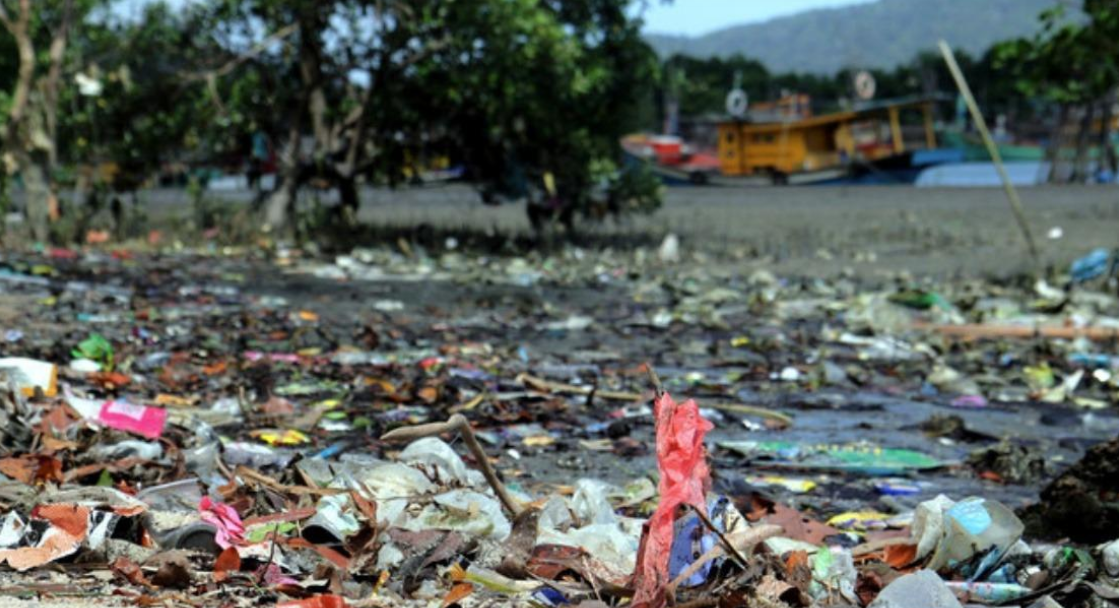
Malaysians are in danger of ingesting over two thousand microplastic particles a year through fish consumption.
The Fisheries Department says coastal communities are at risk of even higher exposure.
It explained that this may particularly be a problem for Malaysia specifically, because the country is among the world's highest consumers of fish.
In fact, nearly 94% of mackerel sampled nationwide contained microplastics.
Most particles detected were smaller than 0.2 millimeters...a size researchers say could enter the human bloodstream.
As such, the department is stepping up efforts to address the problem through various measures such as monitoring microplastics in water and marine species.
Meanwhile, plastic use has also been restricted in marine parks...while public awareness efforts have been increased to reduce waste.
---
In a related development, Malaysia's growing microplastics crisis is largely self-inflicted.
A marine scientist says the issue is mostly driven by domestic waste, weak recycling practices, and everyday plastic use.
In fact, most microplastics in Malaysian waters originate from the country, including mismanaged waste and the breakdown of everyday plastic products.
According to the NST, the expert warned that the issue is no longer a future risk.
It's an environmental crisis that's already happening an defecting marine ecosystems as well as seafood.
---
The Foreign Ministry has issued an updated travel advisory for conflict hit areas in the Middle East.
Malaysians in or travelling to the region, including haj pilgrims, are advised to stay cautious and remain alert.
The ministry also welcomed the two-week ceasefire deal the US and Iran have agreed to, adding that it's led to a gradual improvement there.
---
Speaking of the Iran war...the country's Foreign Minister says the Strait of Hormuz has been reopened for commercial vessels.
However, ships are advised to use designated safe lanes.
---


